By Analyst Team · Updated 2026-07-14 · 12 min read

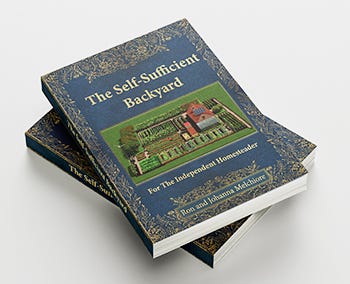
You've seen the ads promising total independence—a lush, productive yard that feeds your family year-round. The Self Sufficient Backyard has become one of the most talked-about guides in the homesteading community, but is it the right resource for your specific situation? Before you hit that purchase button, there are several critical factors you need to evaluate.
Many well-intentioned buyers end up disappointed because they chose a guide that doesn't match their climate, space constraints, or skill level. This comprehensive buyer's guide will walk you through exactly what to check before investing in The Self Sufficient Backyard, saving you time, money, and frustration.
We've analyzed the program from every angle—content quality, practical applicability, value for money, and real user outcomes—so you can make an informed decision. Let's dig into what actually matters when choosing a self-sufficiency guide for your backyard.
LIMITED TIME AVAILABILITY
Unlock Full The Self Sufficient Backyard Access
Secure special promotional rates instantly before the window closes. Lock in your pricing model today before plans return to standard regional metrics.
Why Many People Regret Their Self-Sufficiency Guide Purchase
It happens more often than you'd think. A buyer sees a compelling sales page, imagines themselves harvesting fresh vegetables and collecting eggs, and makes an impulse purchase. The guide arrives, they flip through a few pages, and then reality sets in.
The most common regret we hear is that the guide didn't match their specific environment. A person living in a dry, arid region receives advice designed for temperate, rainy climates. Their crops fail, their water systems don't work, and they feel like they wasted their money.
Another frequent complaint is the overwhelming nature of some guides. The Self Sufficient Backyard contains a wealth of information, but without proper guidance on where to start, beginners often feel paralyzed. They attempt too many projects at once, burn out, and abandon their self-sufficiency goals entirely.
Then there's the issue of outdated or impractical advice. Some guides recommend methods that require expensive equipment, large plots of land, or expertise that takes years to develop. When readers can't implement what they've learned, frustration builds quickly.
Criteria That Should Drive Your Self-Sufficient Backyard Decision
Related Reading: Free Xbox Gift Card: Which Legitimate Method Actually Works?
Before you decide whether The Self Sufficient Backyard is right for you, let's establish a clear framework for evaluation. These five criteria will help you cut through marketing hype and assess whether this guide genuinely serves your needs.
Climate and Regional Relevance
The most critical factor is whether the guide's advice applies to your growing zone. The Self Sufficient Backyard covers a broad range of techniques, but it's designed primarily for temperate climates with moderate rainfall. If you live in a desert, subtropical, or arctic region, you'll need to adapt the recommendations significantly.
Look for specific sections that address your climate type. The guide does include some universal principles—soil building, water conservation, and companion planting—that work across many environments. However, if you're outside the temperate zone, be prepared to supplement with region-specific resources.
Space and Scalability
How much space do you actually have? The Self Sufficient Backyard provides plans for various lot sizes, from small urban yards to several acres. But you need to be honest about your available area. Some techniques—like keeping goats or building a large root cellar—require significant space.
The guide excels at showing how to maximize small spaces through vertical gardening, container growing, and intensive planting methods. If you have a quarter-acre or less, you'll find plenty of applicable advice. For larger properties, the guide expands into more ambitious projects like pond construction and orchard planning.
Skill Level and Learning Curve
Are you a complete beginner or do you already have some homesteading experience? The Self Sufficient Backyard is structured to accommodate both, but it leans toward intermediate-level material. Absolute beginners may need to supplement with more basic tutorials for tasks like seed starting or tool maintenance.
The guide uses detailed diagrams and step-by-step instructions, which helps bridge the knowledge gap. However, some users report that certain projects assume familiarity with construction or gardening terminology that novices might not possess.
What You Need to Know About the Current Self-Sufficient Backyard Market
The market for self-sufficiency resources has exploded in recent years. What was once a niche interest has become mainstream, driven by rising food costs, supply chain concerns, and a growing desire for independence. This expansion means more choices—but also more noise.
The Self Sufficient Backyard stands out because it offers a complete system rather than isolated tips. Unlike many competitors that focus on one aspect (like gardening or livestock), this guide provides integrated strategies. You learn how your chicken coop can feed your garden, how your garden can feed your family, and how your water system can support both.
However, the market also includes free online resources that cover similar ground. YouTube channels, blog posts, and public domain books offer hundreds of hours of content at no cost. What The Self Sufficient Backyard provides that free resources don't is structure, organization, and a coherent progression from beginner to advanced topics.
Price points in this space vary widely. Some premium courses cost hundreds of dollars, while basic PDF guides sell for under $20. The Self Sufficient Backyard falls in the mid-range category—a one-time investment that gives you lifetime access to the materials and any updates.
Ready to transform your backyard into a productive, self-sufficient space? Get the complete guide with all plans, diagrams, and step-by-step instructions.
Claim This Special Offer for The Self Sufficient Backyard →Questions to Ask Before Buying The Self Sufficient Backyard
Related Reading: Before You Buy IPTV Abonnement - 8 Critical Checks That Save You Money
Before you commit, ask yourself these five essential questions. Your honest answers will determine whether this guide is a good fit.
1. What is my primary motivation? Are you seeking food security, cost savings, environmental benefits, or a combination? The Self Sufficient Backyard addresses all three, but knowing your priority helps you focus on the right sections first.
2. How much time can I realistically dedicate? Building a self-sufficient system takes hours each week. The guide provides time-efficient strategies, but there's no shortcut around the labor involved in gardening, animal care, and infrastructure maintenance.
3. What is my budget for setup? The Self Sufficient Backyard helps you save money long-term, but you'll need upfront investment for seeds, tools, fencing, bedding, and other supplies. The guide includes budget-friendly options and DIY projects to keep costs manageable.
4. Do I have the necessary permissions? If you rent or belong to a homeowners association, check your lease or covenants before investing in projects like chickens or large garden structures. Many readers purchase the guide only to discover they can't implement the core recommendations.
5. Am I ready for the learning curve? Self-sufficiency requires continuous learning. The guide is comprehensive, but you'll still need to troubleshoot, adapt, and experiment. If you prefer clear, rigid instructions that never fail, you may find the process frustrating at times.
Warning Signs to Spot Before Purchasing
Not every self-sufficiency guide delivers what it promises. Here are red flags to watch for—both in The Self Sufficient Backyard and in competing resources.
Overpromising results: Be skeptical of any guide that claims you'll become fully food-independent within months. True self-sufficiency takes years to develop. The Self Sufficient Backyard is generally realistic about timelines, but some marketing materials may overstate achievable outcomes for absolute beginners.
One-size-fits-all advice: If a guide doesn't acknowledge regional differences, soil types, or climate variations, it's likely too generic. The best resources, including The Self Sufficient Backyard, include adaptation guidelines for different environments.
Outdated methods: Self-sufficiency practices evolve. Check the publication date and look for updates. The Self Sufficient Backyard has been periodically updated, but ensure you're getting the most recent edition that reflects modern approaches to pest management, water conservation, and sustainable practices.
Hidden costs: Some guides are just gateways to expensive add-ons or paid communities. The Self Sufficient Backyard includes everything in the initial purchase, with no upsells required to access the core material.

Comparison Table of Available Self-Sufficiency Options
Related Reading: How to Get Started With Pineal Reviews - Step by Step
Recommendation by Budget and Needs
Choosing the right self-sufficiency resource depends on your specific circumstances. Here's our guidance based on common scenarios:
✅ Pros of The Self Sufficient Backyard
- Comprehensive, integrated system approach
- Detailed diagrams and step-by-step instructions
- One-time purchase with lifetime access
- Suitable for various property sizes
- Progressive structure for beginners
- Budget-friendly DIY alternatives included
- Regular updates to reflect modern practices
- Real-world applicability across climates
❌ Potential Drawbacks
- Intermediate-level content may challenge beginners
- Less regional-specific advice for extreme climates
- Some projects require significant time investment
- Upfront setup costs can be substantial
- Digital format may not suit all learning styles
- Limited one-on-one support or community
- Not all techniques work in apartments or rentals
- Requires ongoing commitment to see results
Best for Beginners with Limited Space
If you have a small urban yard or even a large balcony, The Self Sufficient Backyard's section on vertical gardening and container growing will be invaluable. The guide shows you how to maximize every square foot. Start with the vegetable garden module and a small composting setup before expanding to other areas. You'll see meaningful results within your first growing season.
Best for Suburban Homeowners with Moderate Space
This is the sweet spot for the guide. With a quarter to half-acre lot, you can implement the full range of recommendations: raised beds, fruit trees, chickens, rainwater collection, and a greenhouse. The integrated system approach really shines here because each component supports the others. Most users in this category report significant food savings within two years.
Best for Experienced Homesteaders Expanding Their System
If you already have a basic garden and some livestock, The Self Sufficient Backyard offers advanced sections on permaculture design, water management, and renewable energy integration that can take your operation to the next level. The guide's strength is showing how different systems interact—something many experienced practitioners still find challenging.
Don't wait—secure your copy of The Self Sufficient Backyard at the current promotional rate before the price increases. Thousands of homeowners have already transformed their properties.
Get Your Self Sufficient Backyard Guide Today →How to Maximize Your Investment in The Self Sufficient Backyard
Once you've decided to purchase, follow these strategies to get the most value from your guide:
Start with an audit of your property. Before implementing anything, map your entire yard. Note sun patterns, water flow, soil quality, and existing structures. The guide's recommendations will be far more effective when tailored to your specific layout.
Focus on one system at a time. The biggest mistake new users make is trying to do everything at once. Begin with the vegetable garden. Once that's producing reliably, add composting. Then consider chickens or rainwater collection. Each new system builds on the previous one.
Document your progress. Take photos and notes throughout your journey. This helps you track what works and what doesn't, and it's incredibly rewarding to see your transformation over time. Many users find this documentation valuable for troubleshooting future issues.
Supplement with local knowledge. Join a local gardening club or online community specific to your region. Combine the guide's general principles with local expertise about your specific climate, pests, and growing seasons. This hybrid approach yields the best results.
Revisit sections as you advance. The guide is designed to be used progressively. Sections that seem irrelevant during your first read may become essential as your system develops. Return to topics like energy independence or water management once your foundational systems are in place.
Final Subscription Window:
Claim The Self Sufficient Backyard Today →Affiliate Disclosure: Clicking this secure link verified by our network supports our team through standard partnership terms at zero extra cost to your invoice.
Frequently Asked Questions
Is The Self Sufficient Backyard worth it for complete beginners with no gardening experience?
Yes, but with realistic expectations. The guide covers fundamentals thoroughly, including soil preparation, seed starting, and basic tool use. However, beginners should plan to spend extra time on each section, possibly watching supplemental video tutorials for hands-on skills like grafting or construction. The structured progression from simple to complex topics helps prevent overwhelm, and many complete novices have successfully built productive systems using this guide alone.
Can I use The Self Sufficient Backyard if I live in an apartment with only a balcony?
Absolutely, though you'll focus on the container gardening, vertical growing, and small-scale composting sections. The guide includes specific plans for limited spaces, including balcony herb gardens, dwarf fruit trees in pots, and worm composting systems. While you won't be able to implement the larger projects like chicken coops or rainwater harvesters, the foundational gardening knowledge transfers perfectly. Many apartment dwellers use this guide as preparation for future homeownership.
What is the best self sufficient backyard guide for cold climates with short growing seasons?
The Self Sufficient Backyard includes dedicated sections on cold climate strategies, including season extension techniques, cold frames, greenhouse plans, and cold-hardy plant varieties. However, for extreme northern climates (USDA zones 2-4), you may want to supplement with region-specific resources. The guide's principles still apply, but you'll need to adapt planting calendars and select appropriate livestock breeds for harsh winters.
How long does it typically take to become food self-sufficient using this guide?
Most users report meaningful food production within their first season—enough to supplement grocery shopping significantly. Full self-sufficiency for vegetables often takes 2-3 seasons as soil improves and systems mature. Adding protein sources like eggs or meat extends the timeline by another year. The guide emphasizes that true self-sufficiency is a journey, not a destination, and provides realistic milestones to keep you motivated without false promises.
Does The Self Sufficient Backyard include plans for water collection and filtration systems?
Yes, water management is one of